Types of Coworking Spaces: A Practical Guide for UK Businesses and Freelancers
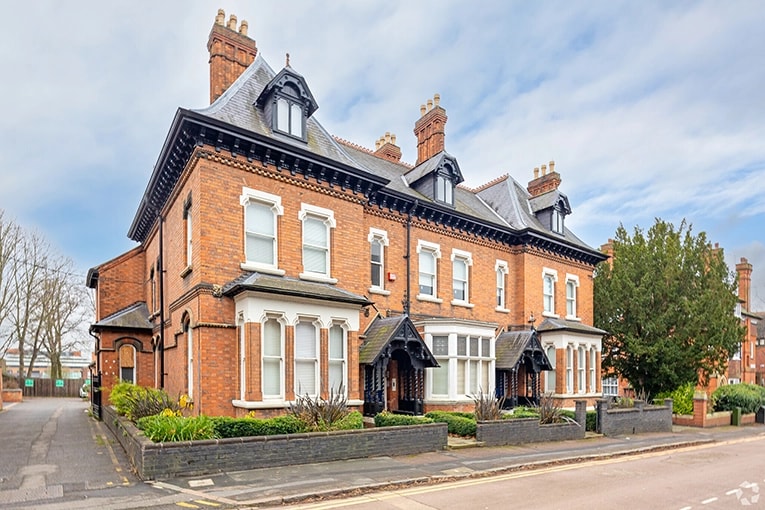
Coworking spaces have changed how businesses operate across the UK. From London to Manchester, more companies are shifting from long term leases to flexible office solutions. This guide outlines the key types of coworking spaces, so you can find the setup that fits your work style, team size, and budget.
For many teams, the decision starts with coworking space vs traditional offices before narrowing down specific workspace types. At that stage, choosing a coworking space often depends on how different formats support day-to-day working needs, budget constraints, and team structure.
Compare Common Types of Coworking Spaces
This table gives a quick overview of the main coworking formats, helping you find the type that matches your team's needs and working style.
| Workspace Type | Ideal For | Key Features |
|---|---|---|
| Traditional/ Open Coworking | Freelancers, hybrid teams, creative workers | Flexible seating, open layouts, built in networking opportunities |
| Private Offices | Teams needing confidentiality or focused space | Lockable rooms, noise control, access to shared resources |
| Budget/Minimal | Bootstrapped startups or those prioritising cost | No frills setup, essential services, budget friendly pricing |
| Corporate Spaces | Midsize to enterprise level firms and satellite branches | Enterprise grade IT, branded office suites, scalable layouts |
| Virtual Office | Remote-first businesses wanting a local presence | Business address, call handling, occasional meeting access |
| Meeting and Event Spaces | Teams needing spaces for collaboration or client sessions | Hybrid-ready rooms, flexible layouts, on-demand bookings |
| Coworking Cafés | Professionals wanting relaxed structure over formality | Quiet work zones, light amenities, casual atmosphere |
| Digital Nomad | Remote workers with flexible travel schedules | Short term access, reliable internet, travel friendly setup |
| Lifestyle/Niche | Wellness, creative, or industry specific teams | Tailored amenities, culture driven spaces, ergonomic features |
| Incubator/Accelerator | High-growth startups seeking support and funding | Mentorship, investor access, startup-tailored workspace |
Browse coworking spaces for rent available near you to see real examples of the layouts, pricing, and amenities discussed below.
Coworking Space For Rent
Traditional / Open Coworking Spaces
Shared layouts that support flexible work and organic collaboration
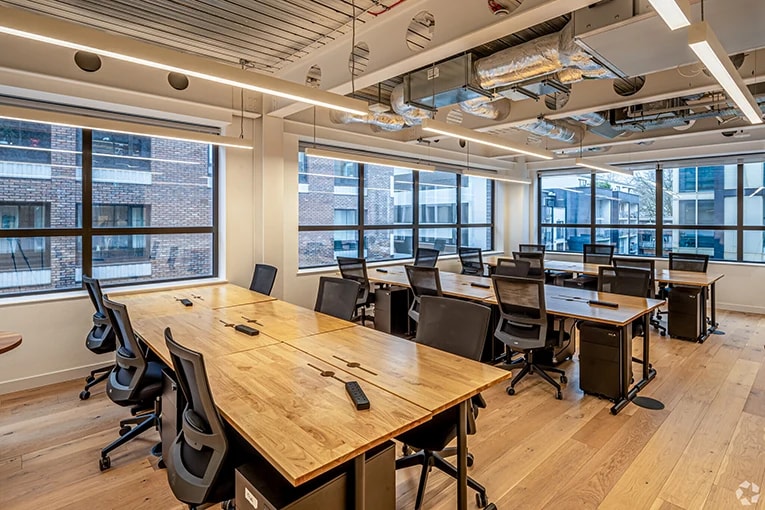
Open coworking spaces feature large communal areas where individuals and teams work side by side. These setups are designed to encourage casual interaction and creative exchange, ideal for companies that value flexibility and community over strict formality.
This kind of layout is common in city-centre markets. For example, IWG's coworking space in Manchester shows how open layouts support creative and digital teams without the commitment of a long-term lease.
Most open spaces include a mix of:
- Collaborative zones for group work
- Quiet corners for focused tasks
- Meeting rooms for private conversations
- Communal lounges for networking
This setup is especially popular with coworking spaces in London, where open layouts help solo professionals and small teams access prime locations at a lower cost. It's also a favourite among creative industries where casual collaboration is part of the daily workflow.
If you're comparing coworking to traditional offices, open layouts offer lower commitment and a more social work environment. Choose a layout that supports your team's mix of solo and group work.
To help you evaluate both options, here's a look at office space currently available for rent across the UK. Comparing layout styles and price points can give you a clearer sense of what fits your team's workstyle best.
Office Space For Rent
Private Offices in Coworking Spaces
Secure, enclosed spaces with access to shared amenities
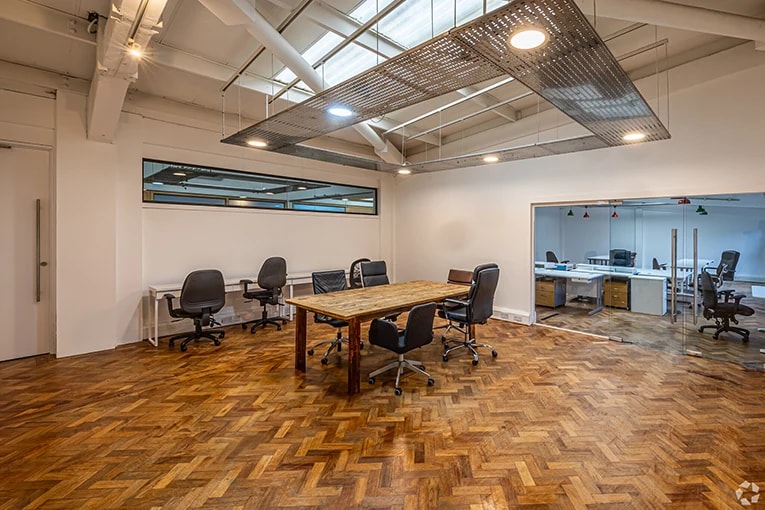
Private offices provide dedicated rooms within coworking facilities, offering both privacy and access to communal areas. They're ideal for teams handling sensitive work, client calls, or internal collaboration.
For businesses that need confidentiality with a central address, an IWG coworking space in Edinburgh illustrates how private suites can offer professional credibility without long lease commitments.
Key features to compare include:
- Soundproofing and acoustic privacy
- Office-level security systems
- Access to shared meeting rooms
- Private phone booths for calls
Lease terms vary widely, so review contract details carefully to match your team's privacy needs and usage goals.
Minimal or Budget Coworking Spaces
Minimal coworking spaces offer the core essentials: Wi-Fi, desks, utilities, and flexible access. They're ideal for startups and freelancers who want a professional setting without paying for extras. These spaces often appeal to remote workers in smaller markets, where affordability is a top priority.
In suburban commuter towns, an IWG coworking space in Bracknell reflects how cost-conscious teams can still access fully serviced workspace without paying city-centre premiums.
Common features include:
- 24/7 building access
- High-speed internet
- Basic furniture
- Shared kitchen space
- Simple meeting rooms
You'll often find these setups in cities like Bristol, where growing tech scenes and university hubs create strong demand for flexible, cost-effective work environments. When choosing a budget coworking space, prioritise location and internet reliability over non-essential perks.
Corporate Coworking Spaces

Corporate coworking spaces are designed for established businesses that need flexible, secure environments with professional amenities. They're a practical alternative to long term office leases, especially for companies testing new markets or launching regional teams.
For larger teams seeking a regional hub, this coworking space in Birmingham city centre shows how enterprise-ready flexible space can support growth outside London.
Key features include:
- Secure IT infrastructure with enterprise-level support
- Reception and administrative services
- Private entrances and custom branding options
- Scalable office layouts that grow with your team
These spaces are commonly used for satellite teams in major hubs like Manchester or regional operations in cities like Leicester, where flexible space reduces overhead. Choose a location that balances privacy with collaborative space to support different workstyles across departments.
Virtual Office
A professional business presence without a permanent workspace
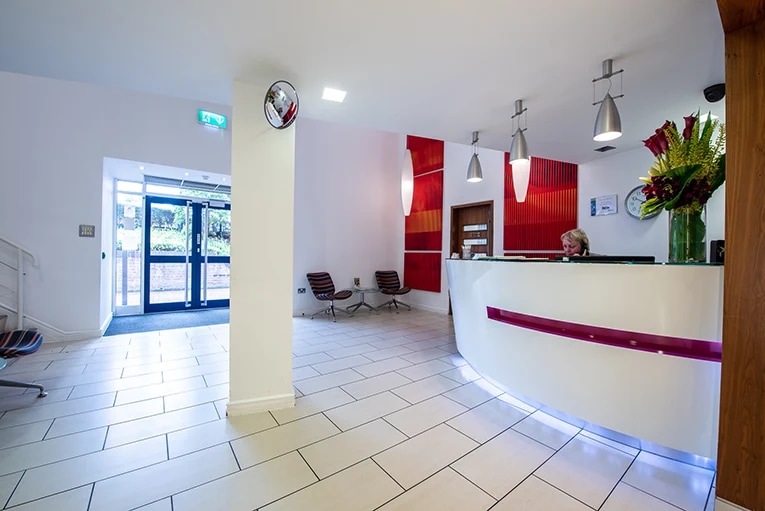
Virtual offices offer a commercial address and admin support without the need for a physical desk. They're ideal for remote teams or solo professionals who want a presence in key markets.
Typical services include:
- Mail handling and forwarding
- Receptionist and call answering
- Local phone numbers
- Access to meeting rooms when needed
- Use of the address on official documents
Compare plans based on location, included services, and access to in-person space when required.
Meeting and Event Spaces
Flexible setups and tech tools that support hybrid collaboration
Meeting spaces in coworking environments should support in-person and virtual collaboration. Look for rooms that are easy to book, tech-ready, and adaptable to different team needs.
Choose between hourly bookings or dedicated access based on how often your team meets. The right setup can improve productivity and client engagement.
Coworking Cafés
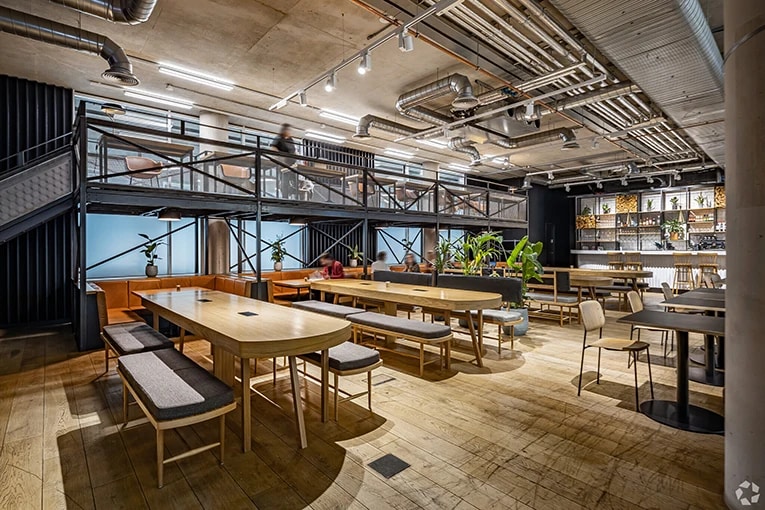
Coworking cafés blend the comfort of a coffee shop with the reliability of a workspace. They're designed for freelancers, remote workers, and creatives who prefer a more relaxed atmosphere, but still need access to fast Wi-Fi, quiet zones, and the occasional meeting room.
These setups typically include defined work areas that are separate from the dining space, so you're not juggling client calls between clinking mugs. Many offer optional food and drink packages, extended opening hours, and booking systems for private nooks or rooms. It's a flexible model that fits in between working from home and committing to a traditional coworking membership.
In some cases, you might choose a coworking café not because of the amenities, but because it fits your rhythm. If you're someone who thrives on background noise or likes the option to shift between tasks with a coffee in hand, this type of space can enhance focus without the rigidity of a formal office.
While they won't suit everyone, especially teams that need privacy or dedicated space, coworking cafés are a cost-effective choice for solo professionals who want structure without the overhead.
Lifestyle and Niche Coworking Spaces
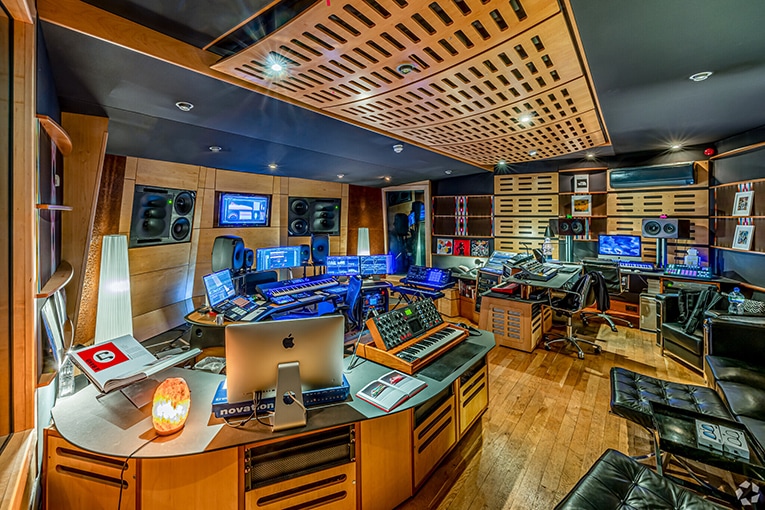
Lifestyle and niche coworking spaces are designed with specific industries or values in mind. They often serve creative professionals, wellness-focused teams, or startups that need more than just a desk and Wi-Fi. These aren't your standard office environments, they're tailored to help people work the way they live.
For example, a content studio might feature podcasting booths and editing suites, while a wellness brand may prefer a quieter space with natural light, yoga rooms, or standing desk options. In some cases, you might prefer a niche space not because of the tools, but because of the culture, surrounding your team with like-minded businesses can spark partnerships and informal mentorship.
Of course, these spaces vary in quality and focus. Some are pet-friendly and casual; others prioritise professional presentation and industry-grade equipment. If your work requires specialised tools or benefits from a strong creative or community-driven atmosphere, niche coworking could offer more day-to-day value than a general-purpose space.
Just be sure the space aligns with both your workflow and your brand. A great environment doesn't just support productivity, it subtly reinforces the image you project to clients and collaborators.
Digital Nomad Coworking Spaces
Short term, reliable workspaces for location-independent professionals
These coworking spaces are built for remote workers who travel frequently. They offer flexible terms and dependable amenities without long term contracts.
For travel-heavy professionals, a coworking space in London near Victoria Station highlights how transport-led locations support mobile work patterns.
Key features include:
- Daily or weekly access options
- High-speed internet with backup connectivity
- Secure lockers or storage for gear
- Video-ready meeting rooms
- 24/7 access to match global schedules
If you move often or work across time zones, look for flexible memberships that align with your travel and workload patterns.
Incubator and Accelerator Coworking Spaces
Workspace with built-in support for early-stage startups
These coworking models combine flexible office space with business development programmes. They're designed to help startups grow through mentorship, funding access, and industry connections.
Most require an application, so be ready with a clear business plan and growth strategy.
How to Choose the Right Coworking Space for Your Business
Match your team's needs with the right type of workspace
The best coworking space depends on how your business operates. Freelancers and remote workers might prioritise flexibility and cost, while startups may benefit from mentorship and access to investors. Larger teams often need private offices or scalable layouts that grow with the company.
Before committing, consider:
- Your team size and how it may change over time
- The level of privacy or collaboration you need
- Which amenities directly support your daily work
- Your budget, and whether short- or long term access is more practical
Once you've narrowed your needs, compare spaces in your preferred area. Browse available coworking spaces for lease across the UK to get started.
Frequently Asked Questions About Coworking Spaces
How do coworking space contracts differ from traditional office leases?
Coworking contracts are usually short term, with rolling monthly or flexible access options. Unlike traditional leases, they often include amenities, utilities, and shared services in one price, no long term commitment or fit-out costs required.
Can I upgrade or change coworking space types as my team grows?
Yes, most coworking providers allow you to scale up or down. You can start with a hot desk and later move into a dedicated desk or private office as your team expands, without needing to change buildings.
Are coworking spaces suitable for client facing businesses?
Yes, many coworking spaces include private meeting rooms, reception services, and professional addresses, making them suitable for client visits, presentations, and ongoing collaboration.
What's the difference between hot desks, dedicated desks, and private offices?
Hot desks are unassigned, first-come-first-served workstations. Dedicated desks are reserved spots in shared areas. Private offices are enclosed spaces with lockable access, ideal for teams or confidential work.
