How many flexible workspaces are available in DN39?
There are currently 0 flexible workspace options available. Depending on the provider, these may include hot desks, dedicated desks, private offices, serviced offices and team suites, with a range of membership and licence options to suit different ways of working.
What's the difference between coworking space and a serviced office?
Coworking spaces are shared working environments where individuals and teams from different organisations work alongside one another. They're popular with freelancers, startups and remote workers looking for flexibility and opportunities to network.
Serviced offices provide private, fully furnished office suites within a professionally managed building. They offer greater privacy while still including services such as reception support, internet connectivity, cleaning and meeting room access.
Both options offer flexibility and simplified occupancy costs, but coworking focuses more on community, while serviced offices provide dedicated space for your business.
What workspace options are available?
Most providers offer a mix of hot desks, dedicated desks, private offices, team rooms and self-contained suites. Some locations also provide meeting rooms, event space and virtual office services, allowing businesses to choose an arrangement that matches their size and working style.
What amenities are typically included?
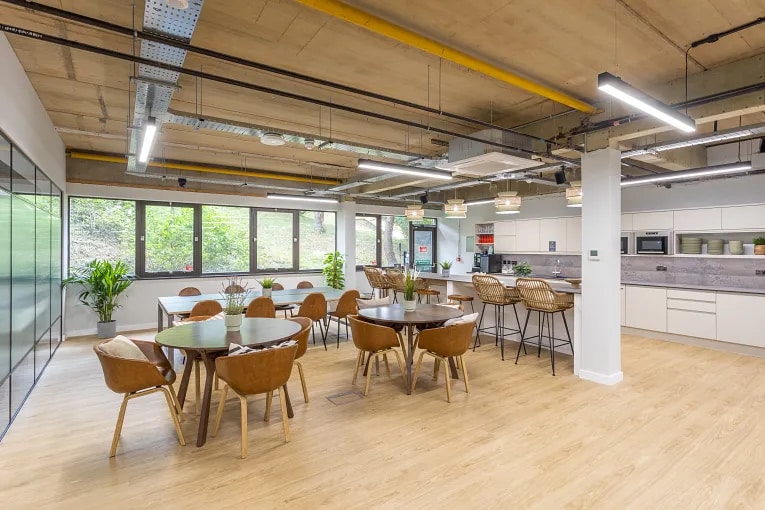
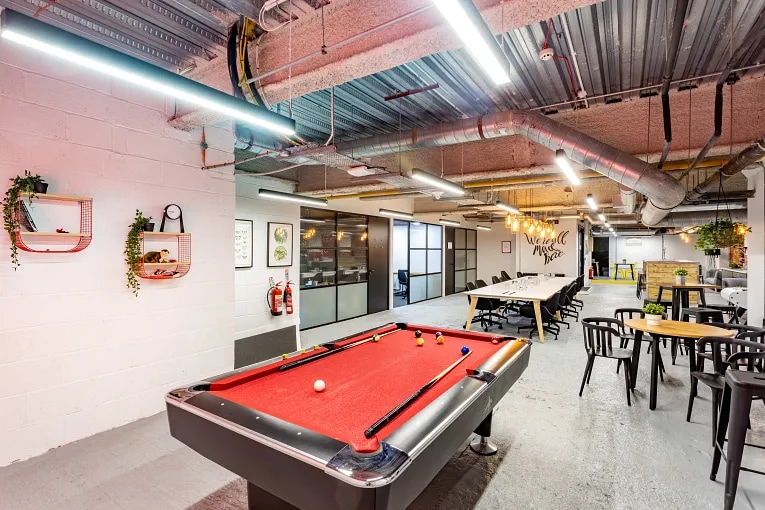
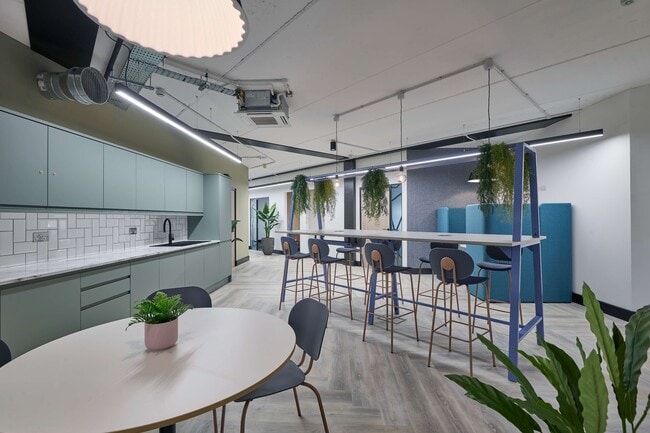
Amenities often include high-speed internet, meeting rooms, breakout areas, kitchens, printing facilities and reception services. Many locations also offer showers, bike storage, phone booths, wellness facilities and community events designed to support collaboration and employee wellbeing.
How much does flexible office space cost?
Pricing varies depending on the location, provider and type of workspace. Hot desks are generally the most affordable option, while private offices and larger team suites command higher monthly costs. Many providers offer all-inclusive pricing, making it easier to budget for occupancy costs.
What contract lengths are available?
One of the main benefits of flexible workspace is the ability to avoid long-term commitments. Many providers offer rolling monthly agreements, while others provide terms ranging from a few months to a year or more. This makes it easier for businesses to scale their space requirements as circumstances change.
Who uses flexible workspace?
Flexible workspace is used by a wide range of occupiers, including freelancers, startups, growing businesses, remote teams and larger organisations. It's particularly popular with companies that value flexibility, want to reduce upfront costs, or need space quickly without the complexity of a traditional lease.
How has demand for flexible workspace changed in recent years?
Demand has increased significantly as hybrid working has become more common. Many organisations now combine permanent office space with flexible workspace memberships, allowing employees to work closer to home while maintaining access to professional facilities when needed.
Is flexible workspace suitable for hybrid teams?
Yes. Many providers offer day passes, team memberships and meeting room packages that work well for hybrid teams. These options allow employees to come together when needed without the cost and commitment of maintaining a traditional office full time.

 View on Map